
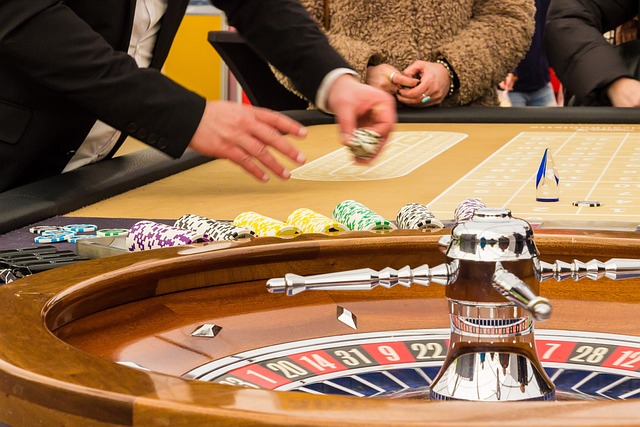
Roulette is a game of chance, yet high-stakes wagerers often defy logic by betting on numbers considered “unlucky.” Why would anyone place big money on 13, 666, or other supposedly cursed digits? The answer is maybe superstition, and the thrill of risk-taking.
In this article, we’ll explore why gamblers ignore conventional wisdom and embrace “unlucky” numbers. We’ll break down the mental processes behind these choices, from cognitive biases to emotional highs, so you can keep your cool and win big when playing on your favorite online platform, 22Bet!
The Allure of Risk and Rebellion
Why Risk-Takers Love Unlucky Numbers
High-stakes thrive on adrenaline. Going against superstition and the rest of the crowd adds an extra layer of fun. Choosing “unlucky” numbers is a way to challenge fate itself.
Psychologists call this “counterphobic behavior. ” This is a tendency to seek out feared or taboo things to prove dominance over them. For some, winning on an “unlucky” number is a form of conquering fear.
The Gambler’s Fallacy and Hot Streaks
Many players believe in the Gambler’s Fallacy, the idea that past events influence future outcomes, so if 13 hasn’t hit in 50 spins, they might think, “It’s due!” This flawed logic keeps them betting on unlikely numbers.
Others chase “hot streaks,” convinced that certain numbers are “ready” to hit, and even if statistics say otherwise, the human brain loves patterns.
Superstition vs. Strategy
Lucky Charms and Rituals
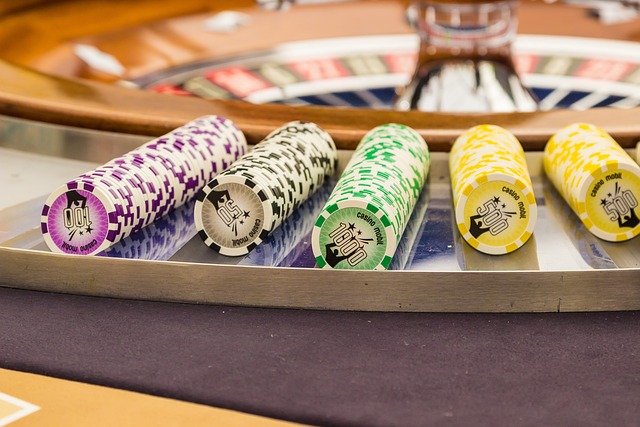
Roulette aficionados often develop rituals like blowing on dice or wearing “lucky” clothes. This creates a sense of control in a situation ruled by randomness.
Betting on an “unlucky” number can be a reverse psychology tactic. Some believe that by embracing bad luck, they’ll trick fate into rewarding them.
The Role of Cognitive Biases
Two key biases influence high-stakes roulette:
- Illusion of Control: Believing they can influence the outcome, even when they can’t.
- Confirmation Bias: Remembering wins on “unlucky” numbers while ignoring losses.
The Thrill of Defying the Odds
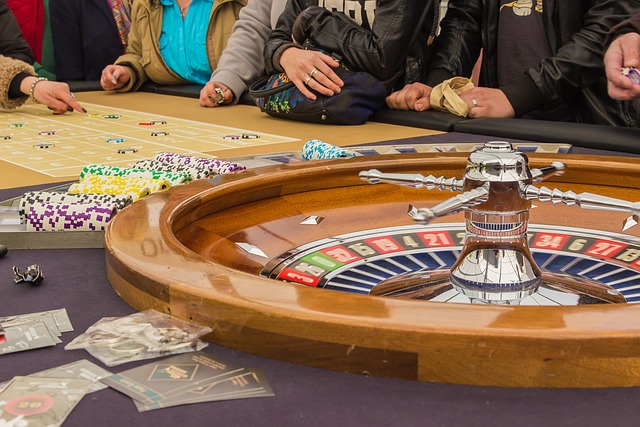
High-risk gamblers also often go far for the story. Winning on an “unlucky” number creates a legendary moment. It’s the ultimate underdog victory, and that rush keeps them coming back.
Famous Examples
- In 2004, a gambler in London bet £100,000 on 13 and won £3.5 million.
- A high roller in Las Vegas once put $250,000 on 666 and walked away with $9 million.
The Social Influence
Human beings tend to be influenced by the decisions of the people around them. Social interactions are a major factor when it comes to a person undertaking a radical action.
If a high roller at the table bets aggressively on 13, others may go along, out of copycatting or fear of missing out (FOMO). The herd mentality is typical, as we see in gambling. This is the moment people assume someone else “knows what they don’t”.
Casinos also amplify this effect by celebrating big wins on unusual numbers. When someone hits a massive payout on 666, the hall might announce it publicly. This creates a buzz that encourages others to try their luck.